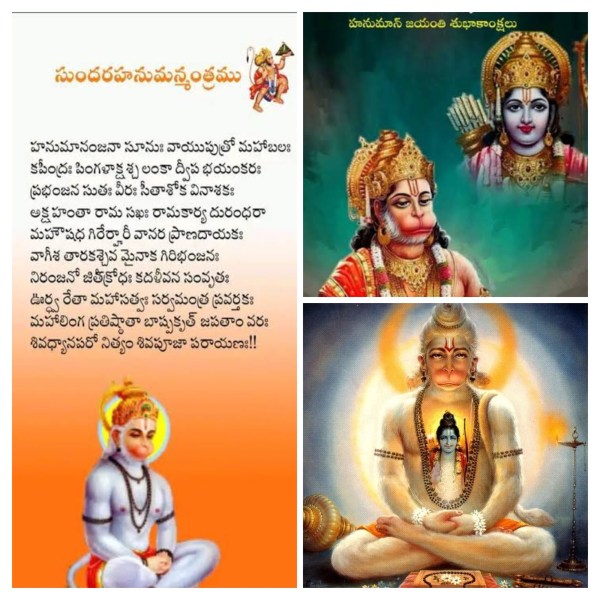
for all those devotees celebrating hanuma jayanthi in some of the parts in india specially in telangana and andhra pradesh 🙏
హనుమజయంతి 🙏
Blissful journeys
for all those devotees celebrating hanuma jayanthi in some of the parts in india specially in telangana and andhra pradesh 🙏

Rajmata Ahilyabai Holkar was a Holkar Queen of the Malwa Kingdom. Ahilyabai was born on 31st May, 1725 in the village of Chaundi, in the present day Ahmednagar district in Maharashtra.
She was a brave warrior and an excellent archer, who led the army many times to protect her kingdom.
She respected art, music, literature, sculpture, poetry and her court was always open for artists.
Her capital was known for its distinct craftsmen, sculptors and artists who were paid handsomely for their work and kept in high regards by the queen.
She also moved on to establishing a textile industry in the city. She developed Indore into a big and flourished city.
During her reign, the crime rate greatly dropped as she encouraged poor people to get involved in trade or farming. She employed forest tribes to be the protectors of the travelling merchants.
She was philanthropic and provided her people proper infrastructure by properly utilising tax money.
She helped widows in retaining their husband’s property so that they can live their lives independently and with honour.
Most of the developments and charity were done by her personal fund which was estimated to be 16 crore at that time.
During her pilgrimages all over the country , she was appalled by seeing conditions of temples, Ghats and Dharmashalas. She generously donated for upliftment of these holy places.
Famous 𝐒𝐨𝐦𝐧𝐚𝐭𝐡 𝐓𝐞𝐦𝐩𝐥𝐞 of Gujarat was reconstructed by her after it was looted and destroyed by Mohammad Ghaznavi.
𝐊𝐚𝐬𝐡𝐢 𝐕𝐢𝐬𝐡𝐯𝐚𝐧𝐚𝐭𝐡 𝐓𝐞𝐦𝐩𝐥𝐞 of Varanasi and 𝐕𝐢𝐬𝐡𝐧𝐮𝐩𝐚𝐝 𝐓𝐞𝐦𝐩𝐥𝐞 in Gaya, Bihar was reconstructed by her. Most of the Ghats near the banks of Ganga in Varanasi were constructed during her reign.
She helped to rebuilt temples at 𝐒𝐫𝐢𝐧𝐚𝐠𝐚𝐫, 𝐇𝐚𝐫𝐢𝐝𝐰𝐚𝐫, 𝐊𝐞𝐝𝐚𝐫𝐧𝐚𝐭𝐡, 𝐁𝐚𝐝𝐫𝐢𝐧𝐚𝐭𝐡, 𝐑𝐢𝐬𝐡𝐢𝐤𝐞𝐬𝐡, 𝐏𝐫𝐚𝐲𝐚𝐠𝐚, 𝐕𝐚𝐫𝐚𝐧𝐚𝐬𝐢, 𝐍𝐚𝐢𝐦𝐢𝐬𝐡𝐚𝐫𝐚𝐧𝐲𝐚, 𝐑𝐚𝐦𝐞𝐬𝐡𝐰𝐚𝐫𝐚𝐦, 𝐒𝐨𝐦𝐧𝐚𝐭𝐡, 𝐍𝐚𝐬𝐢𝐤, 𝐎𝐦𝐤𝐚𝐫𝐞𝐬𝐡𝐯𝐚𝐫, 𝐌𝐚𝐡𝐚𝐛𝐚𝐥𝐞𝐬𝐡𝐰𝐚𝐫, 𝐏𝐮𝐧𝐞, 𝐈𝐧𝐝𝐨𝐫𝐞, 𝐒𝐫𝐢𝐬𝐚𝐢𝐥𝐚𝐦, 𝐔𝐝𝐢𝐩𝐢, 𝐆𝐨𝐤𝐚𝐫𝐧𝐚 𝐞𝐭𝐜.
Every holy pilgrimage place in India had a contribution, in one way or another, from Rani Ahilyabai Holkar.
Ahilyabai never issued capital punishment. She took a personal oath from the prisoners & released them.
A prisoner who promised not to commit misdeeds again was released. Many such prisoners adopted an honest life and this generosity showed results.
When Rani Ahilyabai Holkar held court for justice, she always had a Shivling made of clay in her hands.
A great soul born in india for the revival and reestablishment of dharma in this pavithra bhoomi. 🙏
Such an inspiring soul 🙏 during my travels in india covering most of the states over the past 20 years, in majority of the dharmic places i always heard of the work done by devi ahilyabai holkar and admired her role in reestablishment of dharma in recent times 🙏 great honour for us to remember such divine soul. 🙏
She is another proof that whenever there is a need to protect and reestablish dharma, the great souls are born and its irrespective of their gender, caste, creed .
यदा यदा हि धर्मस्य ग्लानिर्भवति भारत।
अभ्युत्थानमधर्मस्य तदात्मानं सृजाम्यहम्
परित्राणाय साधूनां विनाशाय च दुष्कृताम् ।
धर्मसंस्थापनार्थाय सम्भवामि युगे युगे ||
Here is another proof that whenever there is a need to protect and reestablish dharma, the great souls are born and its irrespective of their gender, caste, creed .
यदा यदा हि धर्मस्य ग्लानिर्भवति भारत।
अभ्युत्थानमधर्मस्य तदात्मानं सृजाम्यहम्
परित्राणाय साधूनां विनाशाय च दुष्कृताम् ।
धर्मसंस्थापनार्थाय सम्भवामि युगे युगे ||
credit: Dr Anadi Sahoo on Linkedin

Wishing all of you on this interesting and auspicious day..
మాతృ దినోత్సవ శుభాకాంక్షలు 🙏
मातृ दिवस कि हार्दिक शुभकामनाएँ 🙏
Blissful Mother’s Day 🙏
Salutation to the mother 🙏 who with the father 🙏 was responsible for this holy temple of physical body to exist and nurture.
దేహో దేవాలయో ప్రోక్తః జీవో దేవస్సనాతనః |
देहो देवालयः प्रोक्तः जीवो देवस्सनातनः।
Deho devAlayah prokhtah Jeevo devassanatanah |
The body is a temple. The life enshrined in it is the eternal Lord.
Today is also the blissful Sri Sankara Jayanti and Sri Ramanuja Jayanti , two great souls who helped bring the philosophy that made us realise the purpose and divinity for the beautiful temple created and nurtured by the parents 🙏
त्यजेद्ज्ञाननिर्माल्यं सोऽहं भावेन पूज्येत् ॥
As taittiriya upanishad states:
మాతృ దేవో భవ🙏 పితృ దేవో భవ 🙏 ఆచార్య దేవో భవ 🙏
मातृ देवो भव। 🙏 पितृ देवो भव। 🙏 आचार्य देवो भव। 🙏
Maathru Devo Bhava 🙏 Pithru Devo Bhava 🙏 Aacharya Devo Bhava
Honour thy Mother as God.
Honour thy Father as God.
Honour thy Teacher as God.

As Ramayana states:
జననీ జన్మభూమిశ్చ స్వర్గాదపి గరీయసీ (తల్లి మరియు మాతృభూమి స్వర్గం కంటే గొప్పవి)
जननी जन्म भूमिश्च स्वर्गादपि गरीयसी (माता और मातृभूमि का स्थान स्वर्ग से भी ऊपर है)
Janani Janmabhumishcha Swargadapi Gariyasi (Mother and motherland are greater than Heaven)

From ancient times, Philosophy in Indian subcontinent has been an enquiry into the mystery of life and existence. Over centuries, intellectual exploration of truth by different philosophers has come to be represented by different schools of thought.
Astika schools of philosophy consider Vedas as authority of knowledge. And Nastika schools do not consider the same.
The six Astika schools are known as Shad Darshana literally meaning six different perspectives or views of the ultimate truth. They are Samkhya, Yoga, Nyaya, Vaishesika, Purva Mimansa and Vedanta(Uttara Mimansa) . These said to have been founded by sages Kapila, Patanjali, Gautama Muni(not Gautama Buddha), Kanada , Jaimini and Vyasa respectively.
Nastika schools include Charvaka by Brihaspati(not devaguru Brihaspati), Buddhist by Siddhartha Gautama Buddha, and Jain Philosophy by Mahavir , Ajivikas by Gosala (contemporary of Buddha and Mahavir and only known as the philosophy almost extinct after Maurya period ).
These philosophies still guide scholarly discourse in the country and were developed over many generations with contributions made by individual thinkers. There is an underlying harmony in their understanding of truth, although they seem distinct from each other.
The most insightful statement of the Veda – ‘Ekaṃ Sadviprā Bahudhā Vadanti’ (एकम् सत् विप्रा बहुधा वदन्ति) – that single ultimate truth is described by different learned based on their perspectives.
Astika (Orthodox) Schools of Indian Philosophy
Astika schools consider the ancient Vedas as their source and scriptural authority.
1. Samkhya (Kapila): Samkhya postulates that everything in reality stems from purusha and prakriti. Purusha cannot be modified or changed while prakriti brings change in all objects.
2. Yoga (Patanjali): Yoga literally means the union of two principal entities. Yoga focuses on controlling body, mind & sense as a means of achieving freedom or mukti. This freedom could be attained using Ashtanga Yoga (the eight limbs literally): Yama(self control), Niyama(observation of rules), asana(postures), pranayama(breath control), pratyahara(inward focus), dharana(concentration), dhayana(meditation) and samadhi(merging the mind and the object). Yoga admits the existence of God as a teacher and guide.
3. Nyaya (Gautama Muni): Nyaya states that nothing is acceptable unless it is in accordance with reason and experience. We may say that it is what is called scientific approach and logical thinking by this generation. Nyaya Sutras focus on four means of attaining valid knowledge: perception, inference, comparison, and verbal testimony.
4. Vaisheshika (Kanada): Vaisheshika states that all objects in the physical universe are reducible to a finite number of atoms and Brahman is regarded as the fundamental force that causes consciousness in these atoms. The reality has many bases which are substance, attribute, action, genus, distinct quality and inherence.
All objects of the universe are composed of five elements–earth, water, air, fire and ether. God is the guiding principle.
The Vaisheshika and Nyaya schools eventually merged because of their closely related metaphysical theories (Vaisheshika only accepted perception and inference as sources of valid knowledge).
5. Purva Mimamsa (Jaimini): This philosophy encompasses the Nyaya-vaisheshika systems and emphasises the concept of valid knowledge. Vedas are considered eternal and possessing of all knowledge. Religion means the fulfilment of duties prescribed by the Vedas. It says that the essence of the Vedas is dharma.
6. Vedanta (Vyasa) : The Vedanta, or Uttara Mimamsa, focus on the Upanishads (spiritual contemplations in the Vedas), rather than the Brahmanas (instructions for ritual and sacrifice). It considers upanishads, brahma sutras and Bhagavad Gita as authoritative texts. Vedanta separated into six sub-schools, each interpreting and producing sub-commentaries:
6.1 Advaita (Adi Shankara): It states that both the individual self (Atman) and Brahman are the same. And Brahman satyam, Jagat mithya (Brahman is the real reality and the world is deceptive)
6.2 Visishtadvaita (Ramanuja): It believes that all diversity is subsumed to a unified whole.
6.3 Dvaita (Madhvacharya): It considers Brahman and Atman as two different entities, and Bhakti as the route to eternal salvation.
6.4 Dvaitadvaita (Nimbarka): It states that the Brahman is the highest reality, the controller of all.
6.5 Shuddhadvaita (Vallabhacharya): It states that both God and the individual self are the same, and not different. And the universe is not unreal for example sandalwood is real but so also the fragrance that is spread around though look unreal as an entity.
6.6 Achintya Bheda Abheda (Chaitanya Mahaprabhu): It emphasizes that the individual self (Jīvatman) is both different and not different from Brahman.
Nastika (Unorthodox) Schools of Indian Philosophy
Nastika school of philosophy doesn’t accept the authority of Vedas. Some of them are Charvaka by Brihaspati(contemporary of Sandipani muni and not to be confused with devaguru Brihaspati) , Buddhist( Siddhartha Gautama) and Jain (Mahavir as last thirthankara).
A) Charvaka (Brihaspati): This is a materialistic, sceptical and atheistic school of thought. The school holds direct perception, empiricism, and conditional inference as proper sources of knowledge. It doesn’t believe in karma, reincarnation or an afterlife. Hence, death is the end of humans and pleasure is the ultimate object in life. Because pleasure cannot exist without suffering, Charvaka believed that wisdom consisted in savouring pleasure while avoiding pain as much as possible. It is also known as Lokayata or the philosophy of masses.
B) Buddhist (Siddhartha Gautama): A non-theistic philosophy and doesn’t especially concerned with the existence or nonexistence of God. Considers the world as full of misery and its a man’s duty to seek liberation from this painful world. Strongly criticises blind faith in the traditional scriptures and focus more on individual journey of meditation.
C) Jain philosophy (Mahavira): Its basic principle is anekantavada. It says that reality is perceived differently from different points of view, and that no single point of view is completely true. Only the Kevalins, those who have infinite knowledge, can know the true answer, and all others would only know a part of the answer.
D) Ajivikas(Gosala): The Ajivika school believes in absolute fatalism with the premise that there is no free will. It believes that everything that has happened, is happening and will happen is entirely preordained. The predetermined fate of living beings and the impossibility to achieve liberation/moksha from the eternal cycle of birth, death and rebirth.
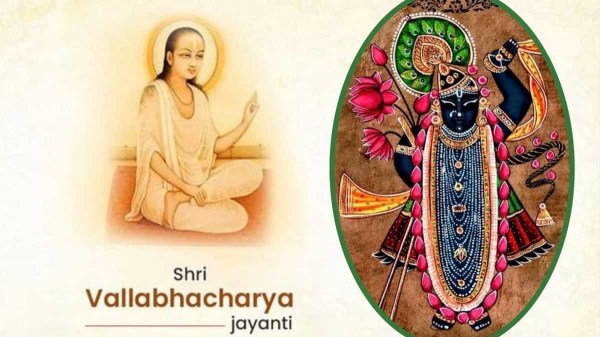
Today was the blissful Sri Vallabhacharya Jayanti and Varudhini Ekadasi 🙏
A great opportunity to learn more about his teachings if not already known.
Also another great occasion to appreciate different philosophical traditions of India. The beauty is we all will find a school of philosophy that satisfies based on our intellectual curiosity, karma phala and interest.
Sri Vallabhacharya is the philosopher behind ShuddhaAdvaita 🙏
Shri Vallabhacharya (1479-1531 C.E.) was a devotional philosopher, who founded the Pushti sect in India. Shri Vallabhacharya was an ardent devotee of Lord Krishna. He worshipped Shrinathji form of Lord Krishna. He is also known as Mahaprabhu Vallabhacharya.
Vallabhacharya was born in Kashi now Varanasi, India in 1479 A.D. He belonged to a Telugu family. According to Purnimant lunar calendar followed in North India, he was born on Krishna Paksha Ekadashi during Vaishakha month. According to Amanta lunar calendar, he was born on Krishna Paksha Ekadashi during Chaitra month. It is just name of the month which differs in both calendars and the birth anniversary of Shri Vallabhacharya is observed on the same day.
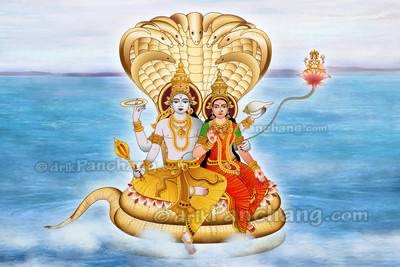
The day of his birth anniversary coincides with Varuthini Ekadashi.
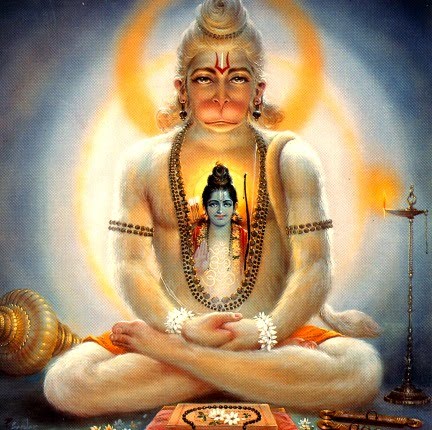
అత్యంత శుభప్రదమైన వసంత ఋతువు , చైత్ర పూర్ణిమ రోజున ఆ హనుమని తలుచుట ఆనందమయం 🙏
ఈ శుభవేళ నా మదిన మెదిలిన విషయము …
హనుమ సాగరమధ్యనే కాదు, మనస్సుల మధ్యన కూడా వారధి నిర్మించగల సమర్థుడు.. హనుమ మంచి అనుసంధాన కర్త
రుద్రఅంశతో పుట్టి, వైష్ణవాంశఅయిన రాముని సన్నిహితుడై, భావి బ్రహ్మగా మారి సకల దేవతారాధన అనుసంధాన పరిచిన అగ్రగణ్యుడు
భక్తాగ్రేసరుడు, రాముని సేవయే తన కర్మయోగ మన్నవాడు, జ్ఞానంలో పరాకాష్టయైన హనుమ భక్తి, కర్మ, జ్ఞాన యోగముల మూడింటి అనుసంధాన కర్త
రామ సేవలో తరించిన ద్వైతిగా, తన ప్రతి రోమమున రాముని చూపి రామునిలో విలీనమైన విశిష్టాద్వైతిగా, తన దైవమైన రామునకు తనకు భేదమేలేదని ఆ రామునినే తనలో చూపిన అద్వైతిగా హనుమ త్రిమత అనుసంధాన కర్త
అత్యంత బలశాలి అయినా అణుకువతో ఉంటూ, ధర్మానికి రక్షణ అవసరమైనప్పుడు రణరంగ ధీరుడై రుద్రుడై
అరివీర భయంకరుడై శత్రు నాశనం చేయాలని చూపిన అనుసంధాన కర్త
జయఘోష
జయత్యతిబలో రామో లక్ష్మణశ్చ మహాబలః
రాజా జయతి సుగ్రీవో రాఘవేణాభిపాలితః |
దాసోహం కోసలేంద్రస్య రామస్యాక్లిష్టకర్మణః
హనుమాన్ శత్రుసైన్యానాం నిహంతా మారుతాత్మజః ||

Ramo Vigrahavan Dharmaha 🙏
रामो विग्रहवान धर्मः 🙏
రామో విగ్రహవాన్ ధర్మహ 🙏
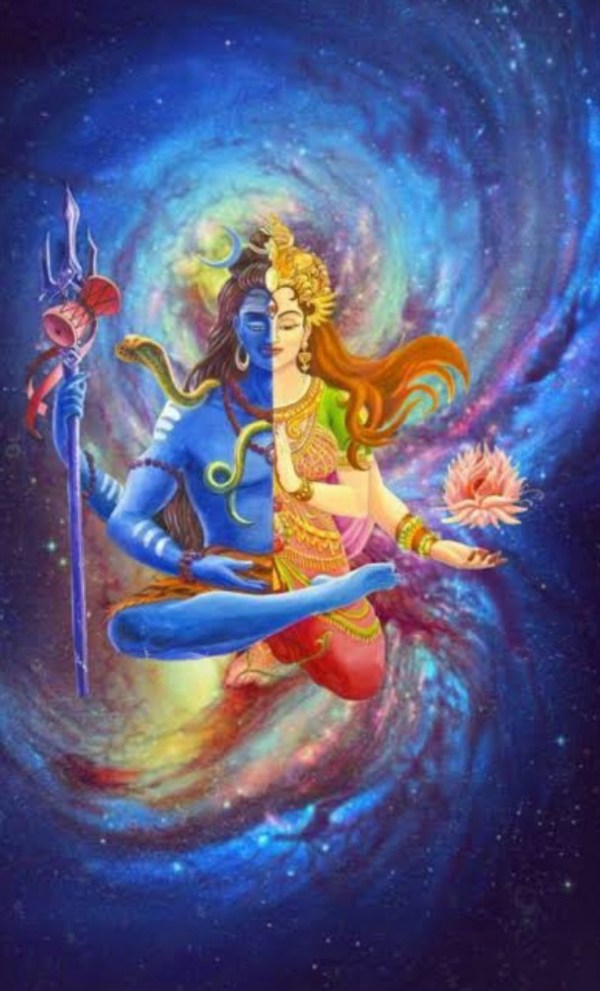
అతను శివం..ఆమె శక్తి
అతను సర్వేశ్వరుడు..ఆమె సర్వమంగళ
అతను జాడ..ఆమె నీడ
అతను పుట్టుక లేనివాడు..ఆమె ప్రతి పుట్టుకా ఓ మహాపురాణమే
ఆయన సగం..ఆమె సగం..ఇద్దరూ కలిస్తే జగం
మాతాచ పార్వతీదేవి..పితా దేవో మహేశ్వర
బాంధవా శివభక్తాస్చ..స్వదేశో భువనత్రయం

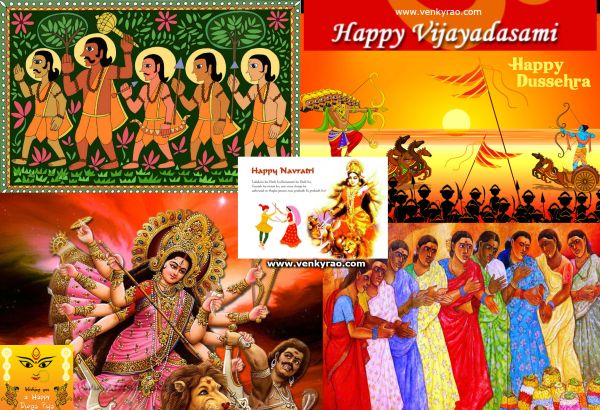
Wish you all a blissful Vijaya Dasami, Dassehra , Durga Puja, Navaratri and Bathukamma celebrations.
This day reminds me of the beauty of our blissful land BharataVarsha and the culture of Sanatana Dharma.
ॐ त्र्यम्बकं यजामहे
सुगन्धिं पुष्टिवर्धनम् ।
उर्वारुकमिव बन्धनान्
मृत्योर्मुक्षीय मामृतात् ॥
ఓం త్రయంబకం యజామహే
సుగంధిం పుష్టి వర్ధనం
ఉర్వారుకమివ బంధనాన్
మృత్యోర్ ముక్షీయ మామృతాత్
ఉర్వారుక మివ బంధనం అంటే…..
ఇసుకలో ఆడుకొంటున్న పిల్లల్ని చూస్తుంటాం. అద్భుతంగా గుడి కడతారు. తీరికగా అలంకారాలు అద్దుతారు. తోచినంతసేపు హాయిగా ఆడుకుంటారు. పొద్దు వాలేటప్పటికి, ఆ కట్టడాలన్నింటినీ చటుక్కున కూలదోస్తారు. కిలకిల నవ్వులతో

సనాతన ధర్మాచరణలో ముఖ్యమయినది కర్మానుష్టానము.
ఈ కర్మానుష్టానమునకు ఉపకరణము దశేంద్రియ మనోబుద్ధ్యహంకారచిత్తమైన భౌతికకాయము.
దీనికి సంస్కరణపరులు మాతాపితృలు, ఆచార్యులు, బంధువులు, సన్నిహితులు, అతిథులు.
వీరంతా సదా మాననీయులు.
🙏🙏
తైత్తిరీయ ఉపనిషత్తులో చెప్పినట్లు
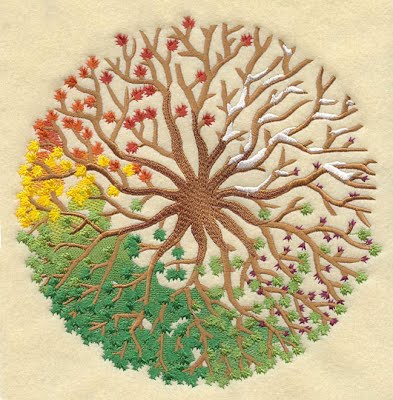
My in-laws were moving to another home. I enquired with my mother-in-law about the progress of the packing. She said it is pretty much done since a lot of junk that got piled up over the years has been discarded. She was happy that the moving process helped them clear unnecessary junk that got piled up over the years.
Isn’t it the same with our lives in general as well?
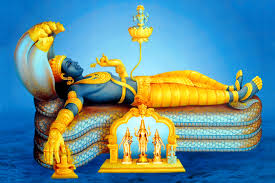
The picture of Lord Padmanabha (God in Hinduism and the main diety at Thiruvananthapuram, India famous for its new found riches) is always a blissful sight for me for several reasons.
Today i heard a great story about a dialogue between Hanuman and Ramachandra from Indian epic(itihasa) Ramayana.
This story beautifully explains the relationship between Self and God.

Today a major section of people around the world celebrate Valentine’s day which is dubbed as the lovers day. It is indeed good to see the world striving for and experiencing love.
Love is perhaps the best of human experiences since that is our true nature. In fact, my guru would always address the gatherings as the embodiments of love.
What is spirituality? It is rising above religions marked purely by ceremonial understanding of the church, mosque or temple.
ఈ జీవితమంతా కర్మ ఫలమే. కర్మానుసారమే మన చుట్టూ ఉన్న ఈ జగత్తు అనే భవబంధనాలు.
మన ఆత్మ తన నిరంతర యాత్రలో నిజస్వభావాన్ని తెలుసుకోవడానికి ధరించిన ఈనాటి వస్త్రమే ఈ దేహం.
ప్రస్తుత పరిస్థితుల్లో కర్మానుష్టానమునకు అవసరమైన రీతిలో జన్యురూపమైన ఈనాటి దేహం రూపొందించబడింది.
ఈ శరీరముతో పాటుగా మనకు లభించినవే ఇంటి పేరు అయినా, వంటి ధారుఢ్యమైనా.
అశాశ్వతమైన ఆస్తులు, సుఖదుఃఖాలు, శత్రుమిత్రులు, సంబంధబాంధవ్యాలు, మానావమానాలు అన్నీ కర్మఫలమే.
ఇవన్నీ కర్మానుష్టానము కోసం ఆత్మ ఏర్పాటు చేసికొన్న పనిముట్లు మాత్రమే.
ఈ యాత్ర ముగిసిన వెంటనే ఇవన్నీ వదలాల్సినవే.
మన కర్మానుభవమునకు అనుగుణంగా అవసరం ఉన్న విధంగా ‘మాయ’ మన చుట్టూ ఈ జగత్తు రూపేణ ఆవరించి ఉంది.
భక్తి, జ్ఞాన, కర్మ, వైరాగ్య, రాజ యోగములు మన ఈ జీవన యాత్ర మార్గాలు.
– కోవూరు వెంకటేశ్వర్ రావు
Yesterday and today were observed with piety and compassion by many people around the world.

To my telugu friends living in Houston city in USA currently under the nature’s fury with Harvey storm.
భాగవతమున కనలేదా
బాల కృష్ణుని మధురలీల

These days the events at Infosys have become an interest for most of the business world, or at least in India.

1. Sanatana Dharma is an eternal, inclusive, time-tested knowledge repository as opposed to strictly organized groupings of people like religions Continue reading “India and its Eternal Wisdom”

India has always been known from ancient times to have lively debates and discussions having

On a beautiful Saturday evening in the month of Sravan (a month in the Hindu cal, i was blissfully observing

ఏమటీి కోతిగోల యని లక్ష్మన్న అలుగుట
సబబు కాదని చెప్పె రామచంద్రుడు
అలనాడు లంకలో సంజీవినీ Continue reading “కోతిగోల”

 in search of truth